Human first thinking in the age of AI. We help schools build the skills AI cannot replace, through workshops and activity books that any teacher can run.
Watch: Why critical thinking matters more than ever
Human first thinking in the age of AI. We help schools build the skills AI cannot replace, through workshops and activity books that any teacher can run.
Watch: Why critical thinking matters more than ever
AI is now part of every child's world. We make sure their own thinking stays part of it too.
A generation that grows up with AI and still thinks for itself.
Build the skills AI cannot replace, through workshops and activity books that any teacher can run.
We aren't just offloading memory anymore. We're offloading thinking itself. And the generation growing up right now is paying the price.
The average human attention span has fallen from 12 seconds to 8 since the rise of mobile tech. For children raised on infinite scroll, the ability to focus deeply is eroding before it ever forms.
Tweens aged 11-14 now average 9 hours of daily screen time. That's more time on screens than sleeping, and most of it is passive consumption, not active learning.
60% of children under 12 begin using smartphones before the age of five, before their brains have developed the critical thinking skills needed to navigate what these devices deliver.
This is the problem every classroom is quietly dealing with.
Social media and peer influence now shape how children spend most of their day.
Brain impact and cognitive atrophy with daily screen time. Children aged 11-14 are at 9 hours a day.
Fine motor skills and social skills suffer. 42% of teens say smartphones hinder social skill development.
AI used without critical thinking, plus dopamine loops. People are starting to trust AI's output more than their own judgement.
The jump between ages 8-10 and 11-14 is where habits harden.
The brain is most plastic between 8 and 14. Habits, empathy and curiosity form now, and the damage from screens is still reversible. We work with schools to rebuild those skills in the classroom, with the teacher in charge.
See how our workshops workPlug-and-play modules that fit into how teachers already teach. No new platform to learn, and the teacher stays in charge of the room.
Tested activities that are ready to run, so teachers do not start from a blank page.
Each module slots into current teaching methods and builds on efforts already under way.
Children practise focus, empathy and critical thinking with their hands, not just their screens.
Simple for the school, measurable for everyone.
Students receive the activity book ahead of the workshop, so they arrive curious.
A facilitated session using plug-and-play modules. Teachers get the workshop link and slides.
Pre and post assessments, plus a short outcome report the school can share.
We do not just run a session and leave.
Targeted pre and post intervention assessments to measure cognitive shifts and knowledge retention.
Interviews and focus groups with teachers, students and parents to capture the detail behind the numbers.
Metrics turned into clear reports that show measurable alignment with the UN Sustainable Development Goals.
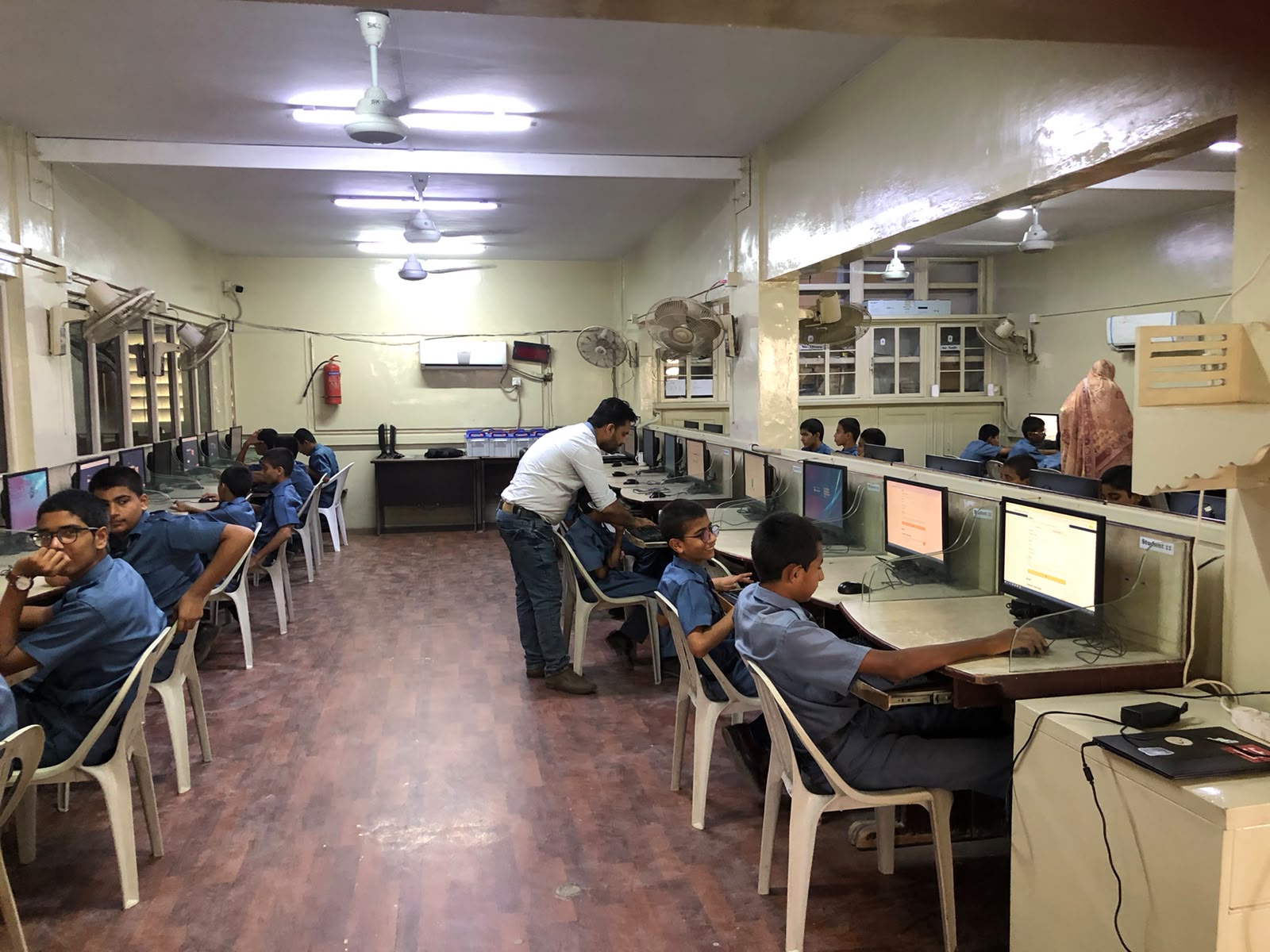
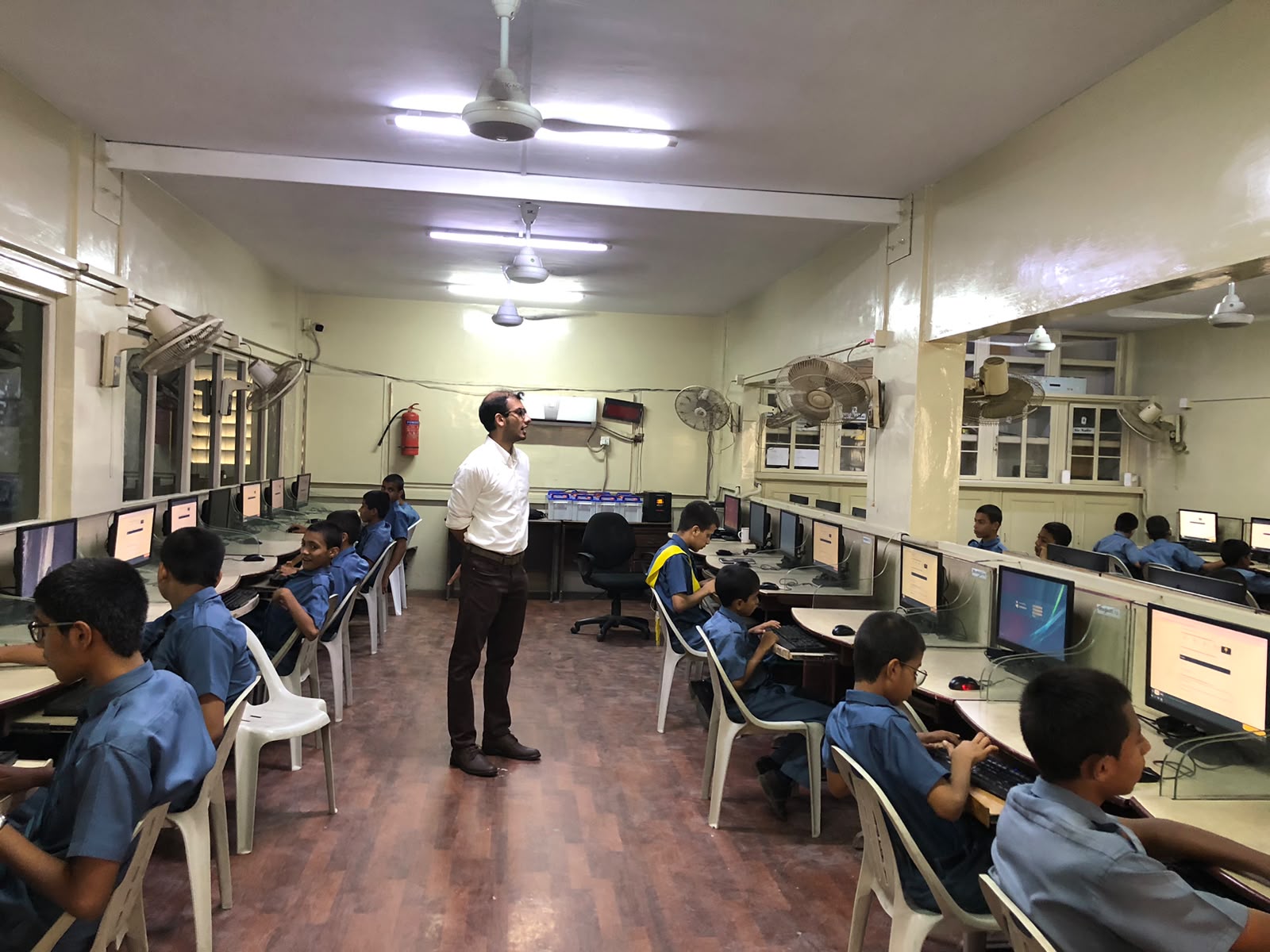
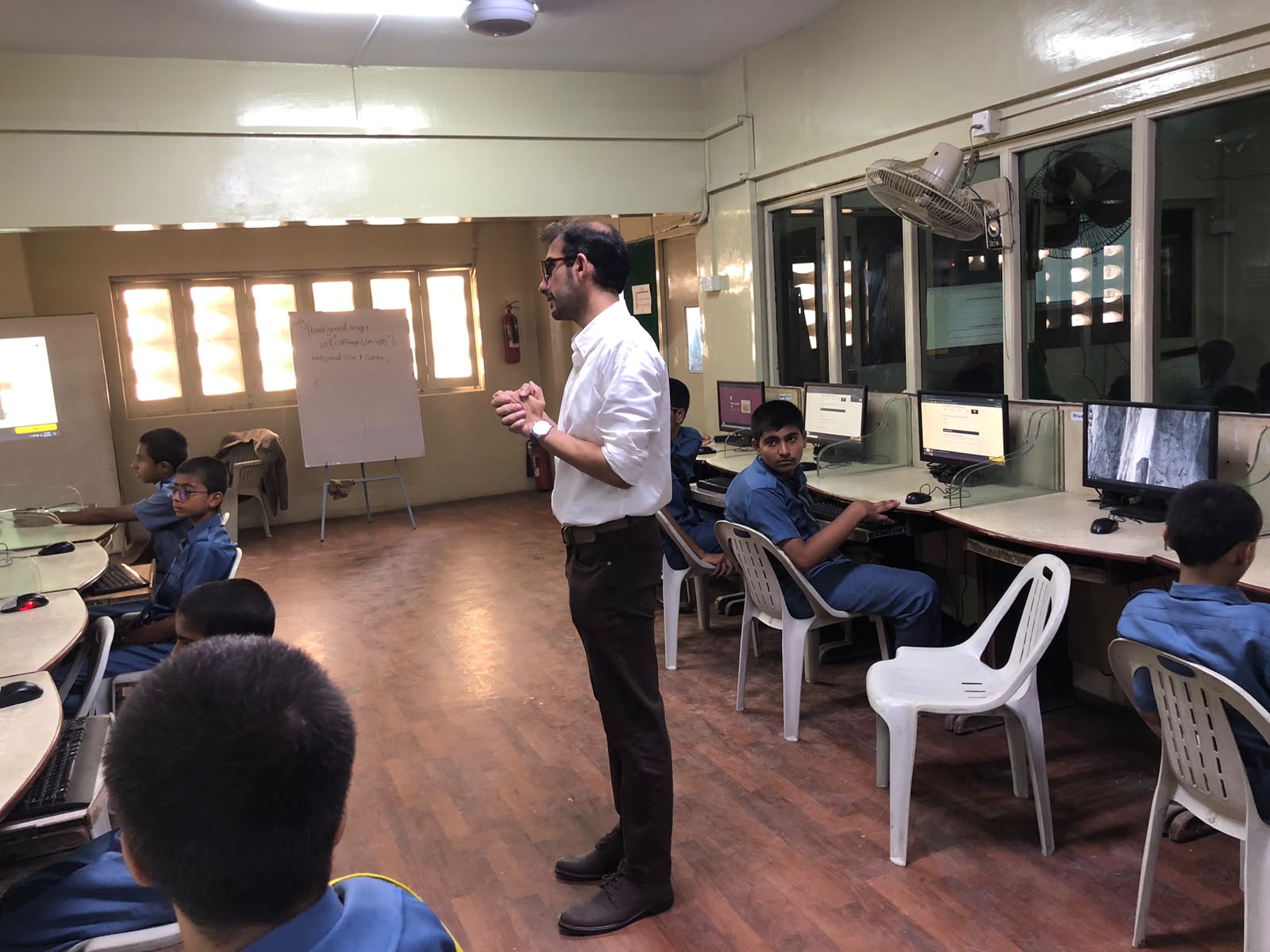
A few moments from sessions we have run with students in school.
Offline, hands-on activity books designed to rebuild the skills that screens are quietly eroding. No devices needed. Just a pencil and curiosity.
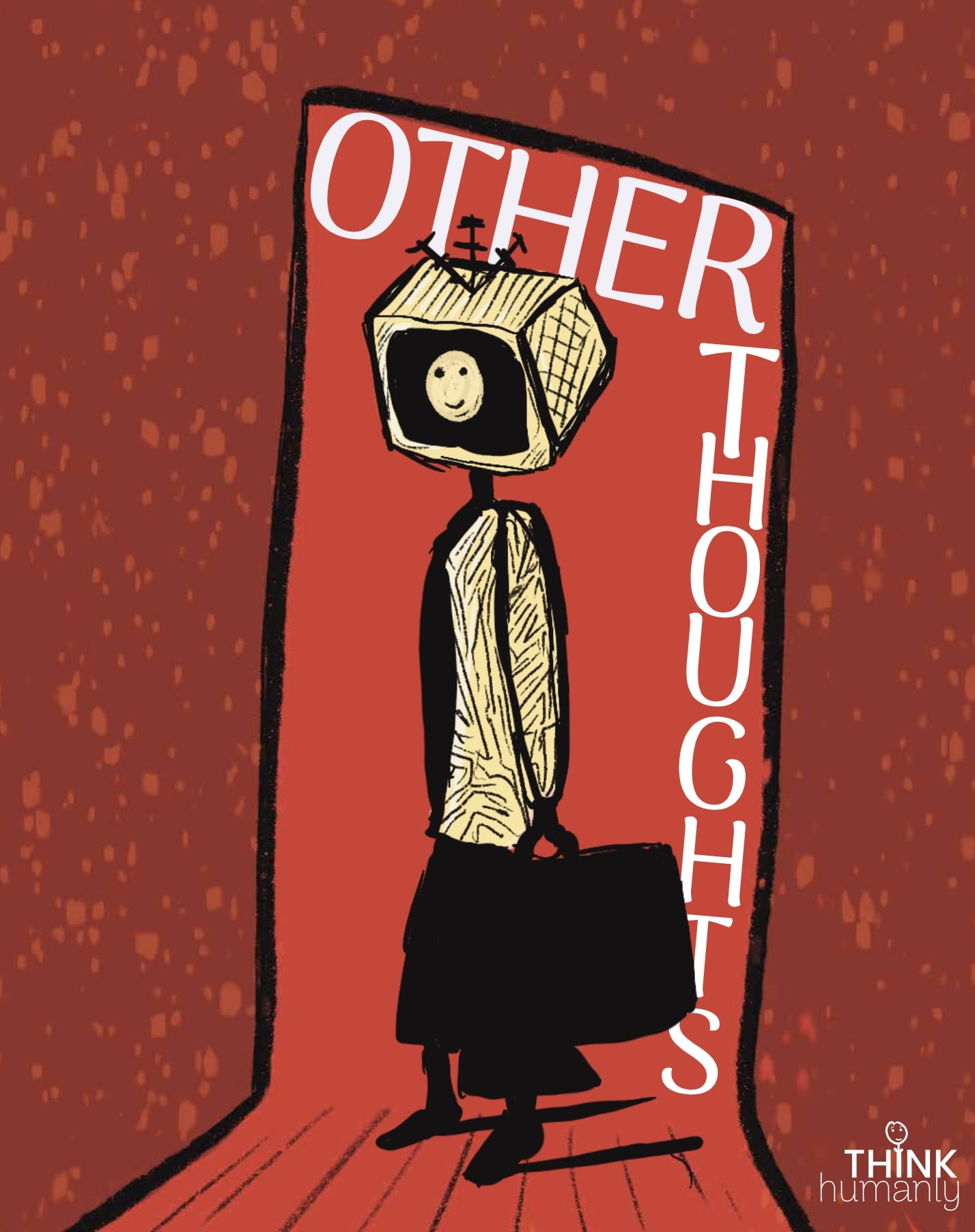
A Humanly Guide to AI
42 pages of offline activities where kids explore how algorithms work, why AI gets things wrong, how to spot bias, and why their own thinking is irreplaceable. Through puzzles, creative challenges, and real questions worth sitting with.
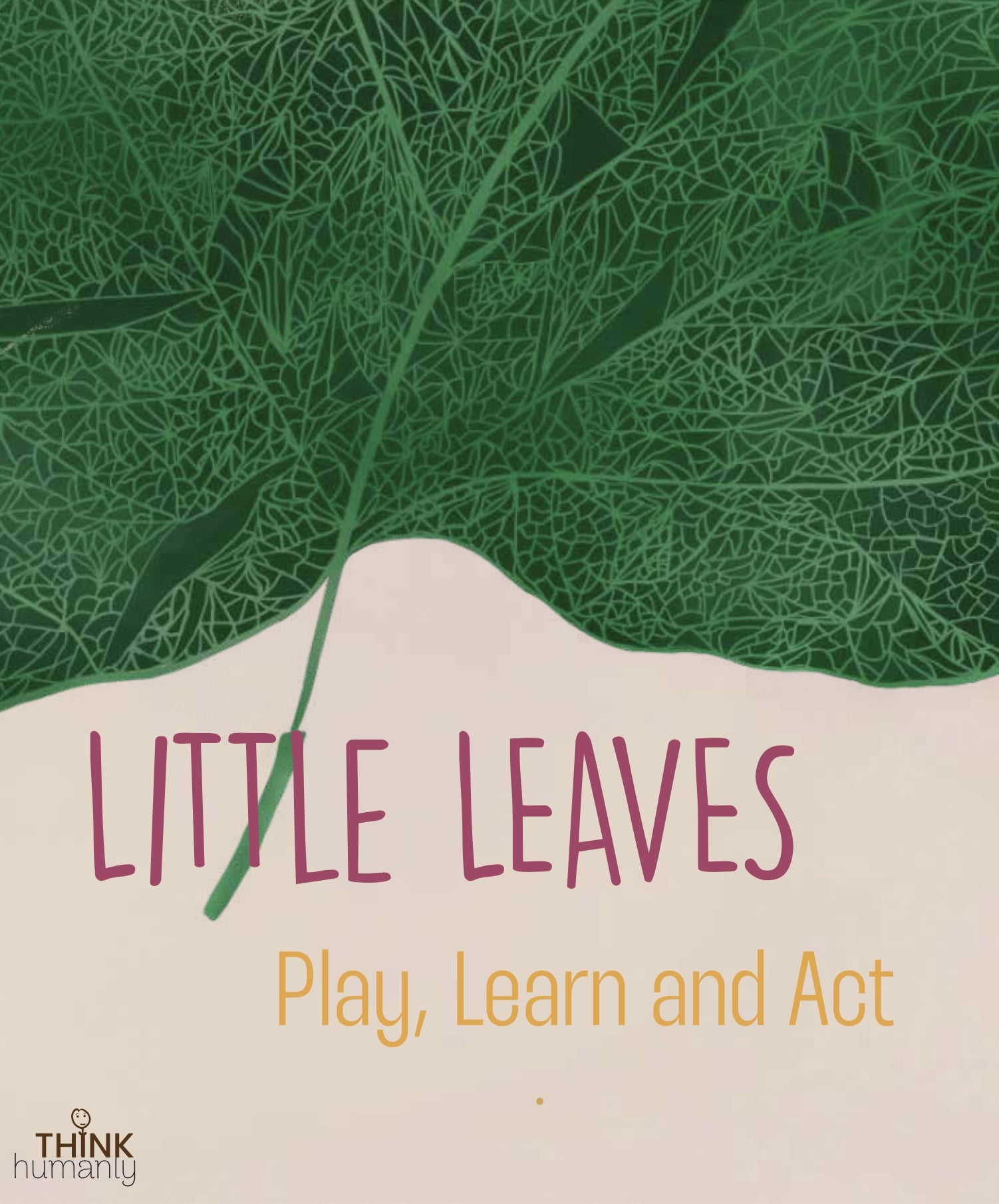
Play, Learn and Act
A warm, matte-finish activity book that explores identity, empathy, kindness, and real-world action, through drawing, storytelling, and hands-on activities that help children build the foundational human skills no technology can replicate.
Every book comes with a Digital Impact Toolkit that tracks real progress in the skills that matter most.
Tracks how children improve at sequencing, debugging instructions, and building cause-and-effect thinking.
Measures growth in empathy, kindness, and positive interaction through activities like Kindness Bingo.
Assesses a child's ability to spot bias, question AI outputs, and form independent opinions.
We are starting with children, where the impact is biggest, and growing from there.
The brain is most plastic here. Habits, empathy and curiosity form now, and screen damage is still reversible.
Empathy, leadership and human judgement in an AI-driven workplace.
Identity, critical thinking and civic engagement under pressure.
Digital literacy, connection and staying relevant in an AI-shaped world.
We design and deliver activity-based learning programmes in schools, funded through corporate CSR. Your budget reaches children directly. You get a measurable impact report. Schools get resources that actually work.
You fund the programme through your CSR mandate. We design, print, and deploy the resources into schools.
Bespoke activity books, workshop kits, and facilitation support for every school.
Banking partners get financial literacy. Healthcare partners get empathy and well-being. Technology partners get AI literacy and critical thinking. Every programme is built around your impact goals.
Tell us your sector, your budget, and the schools you want to reach. We'll come back with a programme designed to deliver.
Get a glimpse of our human-centric methodology. Select your context and let ThinkHumanly generate a unique, hands-on activity idea for you.
Love this approach? Let's create something transformational together!